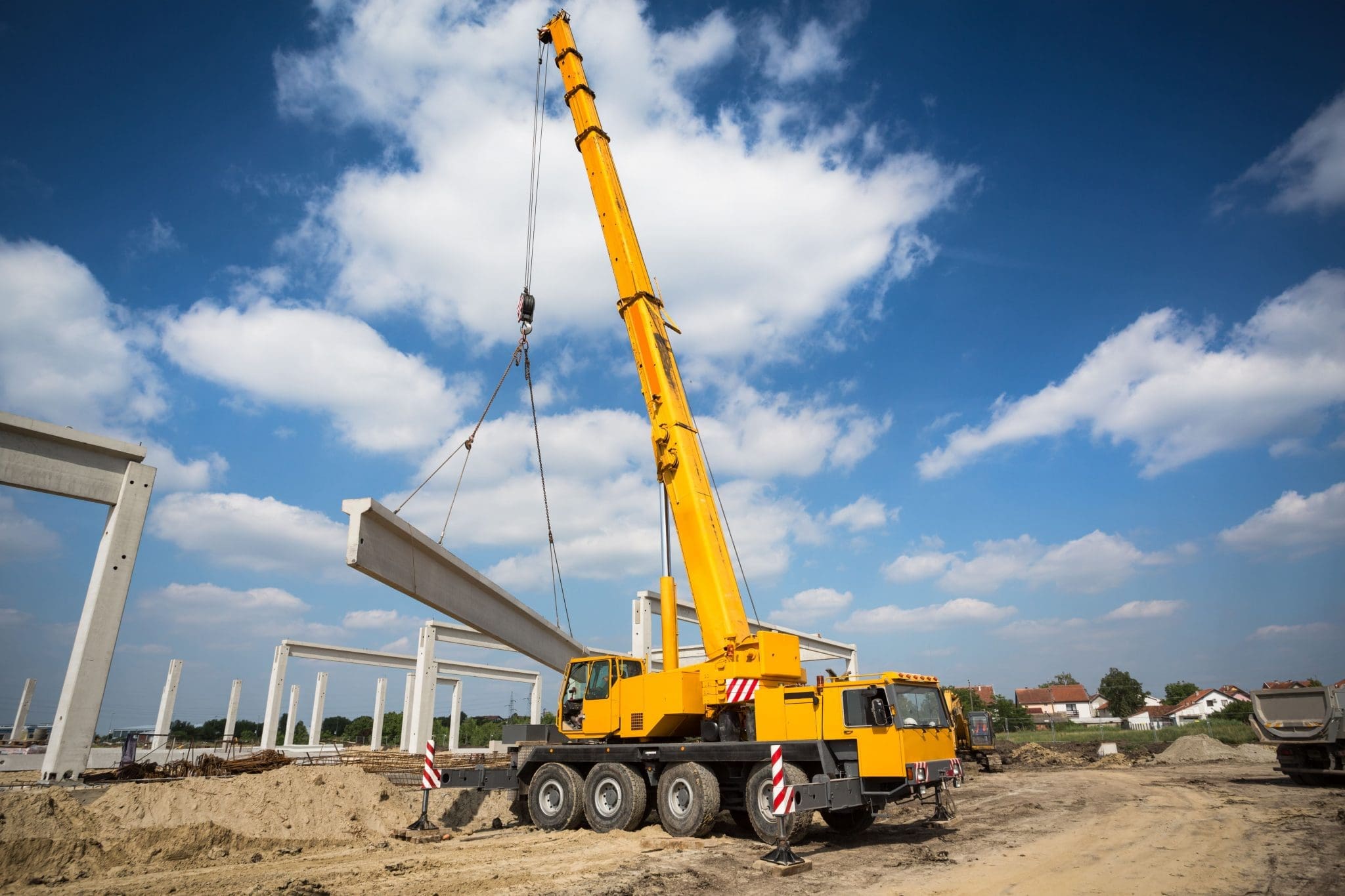
Renting mobile cranes is now a necessity in the sphere of modern construction and industrial processes, but mobile crane rentals are also a subject of misinformation. Such myths may result in ineffective planning, wasting money, and even safety problems. Dispelling such myths, the decision-makers will be able to make more viable decisions, and the projects will be carried out smoothly and efficiently without safety and quality being undermined.
Renting is Always Cheaper Than Buying
One would think that renting is the most cost-effective choice but it is not so. Although rentals avoid the outlay of capital involved in buying, the charges can be very high when they are long-term or when they are frequently used. The longer rent or transportation costs and repeated costs of mobilization can prove more expensive than actually owning a crane. The most important is to assess the duration of project and frequency of usage as well as budget so as to tell whether renting or buying will be more economical.
All Mobile Cranes Are the Same
Not all mobile cranes are created equal, and treating them that way can result in costly inefficiencies in mobile crane rental decisions. They differ significantly in lifting capacity, boom length, mobility, and setup time. Some are built as heavy-duty industrial machines, while others excel in tight urban areas. Making the wrong selection can delay work or require renting another type entirely. Ensuring that the chosen crane perfectly fits the project’s requirements guarantees maximum performance, safety, and cost efficiency without unnecessary delays.
Rental Cranes Are Not as Reliable as Owned Cranes
It is argued that the rental cranes are less reliable than the ones that the companies own but this is very far off the mark with reliable rental companies. High quality rental companies have a well maintained schedule of inspection, regular service and replace worn parts before they become problems. Rented cranes, in most instances, are maintained in a better condition since they are required to be of high safety standards to all customers. Selecting a reputable supplier will guarantee the rented gear to be as dependable (or even better) as a personal crane.
No Need to Worry About Permits or Regulations
Just because a crane was rented does not mean that the regulations should not be followed. However, regardless of ownership, permits, safety compliance and operational rules still apply. This involves closing of roads to bring cranes, permission to handle loads and certifications of operators. Failure to observe these regulations may result in fines, delays of the project or even closure. Responsible planning implies these legal and safety considerations have been made prior to the crane ever arriving at the site.
Any Operator Can Run a Rental Mobile Crane
Operating a mobile crane requires unique expertise, accreditation, and hands-on experience with heavy machinery. Allowing unqualified staff to handle a crane is not only risky but also prohibited in most regions. Professional operators understand load charts, swing radius safety, and how to respond to unexpected situations. In short-term rentals, having a certified operator in charge is a safeguard against unnecessary risks to workers, equipment, and the project as a whole.
Mobile Cranes Can Be Used Anywhere
Although mobile cranes are versatile, they do not have their share of restrictions. Access to any site, the stability of the terrain, overhead clearances as well as ground load bearing capabilities all contribute towards whether or not a crane could be used to effectively perform its duties. Weak ground or uneven surfaces may pose a threat to safety and effectiveness. Inspecting the site carefully to make sure that the crane can be safely placed and operated helps save money that would be lost in the future due to such adjustments or equipment replacements.
The Newest Cranes Are Always the Best Choice
Newer models may have new features, better fuel consumption and control systems, but might not always be the most economical option. Older cranes which are well maintained are capable of providing the same performance at a reduced rental rate. The choice must be made according to the needs of the project and not by the idea that the newest technology is required at all times. Occasionally, a mix of performance, reliability and a budget can be achieved by choosing an older and tested machine.
Overview
The false ideas concerning the mobile crane rental may cause unnecessary issues to construction projects and industrial operations. With this knowledge of the reality behind these common myths, businesses would be able to make more intelligent decisions that balance cost, performance, and safety. When one is renting for a day or a couple of months, making informed decisions will make operation and results more enjoyable. Ultimately, clearing up these misconceptions helps ensure smoother workflows and better outcomes for every project.
Read More: 5 Tips For Choosing The Right Bridge Construction Equipment